
Entende o contexto
Lê a operação, o cliente e o histórico antes de propor qualquer coisa.
Vendas, marketing, atendimento, operação, financeiro e inteligência trabalhando sobre o mesmo contexto — para sua empresa ganhar escala sem perder controle.
Sua empresa inteira. Uma operação. IA trabalhando.
Para empresas de qualquer setor que querem crescer com estrutura, controle e inteligência.
Painel ilustrativo do Sistema Centriu com sete frentes trabalhando: atendimento, comercial, operação, agentes, inteligência, conteúdo e marketing. Cada frente mostra o trabalho concluído ou o próximo passo.
Representação ilustrativa do trabalho em execução
Não é falta de ferramenta. É que cada ferramenta resolve um pedaço, e ninguém é dono do todo. O custo disso não aparece numa fatura — aparece no mês seguinte.
Sistemas que não se falam
O mesmo dado é digitado de novo — e cada cópia conta uma história diferente.
Dados duplicados
Ninguém sabe qual versão é a verdadeira na hora de decidir.
Conversas perdidas
O cliente repete o contexto a cada canal e a cada pessoa.
Tarefas espalhadas
O trabalho vive em planilhas, mensagens e na memória de alguém.
Decisões sem contexto
A escolha é feita com o recorte que estava à mão, não com o que importava.
Automações desconectadas
Cada ferramenta automatiza um pedaço e ninguém enxerga o todo.
Nenhum desses problemas se resolve comprando mais um software. Eles se resolvem quando a operação inteira passa a trabalhar sobre o mesmo contexto.
A Centriu não é uma coleção de produtos. É uma plataforma em que clientes, áreas e agentes leem e escrevem no mesmo lugar.
Cliente 360
Um contexto, não vários cadastros
Cada conversa, tarefa, campanha, cobrança e decisão fica ligada ao cliente e à operação — não a um sistema isolado.
As áreas abaixo são partes da mesma operação, não produtos separados. Elas compartilham conta, permissões e histórico.
A inteligência artificial da Centriu participa da operação: entende contexto, prepara trabalho, executa rotinas e pede aprovação quando importa.
Lê a operação, o cliente e o histórico antes de propor qualquer coisa.
Redige, organiza, calcula e deixa pronto para revisão humana.
Roda o que é repetitivo dentro dos limites definidos pela empresa.
Cruza áreas, identifica prioridade e mostra o motivo da recomendação.
O que é sensível passa por uma pessoa antes de valer. Sem exceção silenciosa.
Registra o que aconteceu e usa o resultado para melhorar a próxima decisão.
Uma plataforma, várias frentes de trabalho. Tudo no mesmo contexto, com a IA participando do que dá para acelerar.
CRM, pipeline, oportunidades, propostas, follow-up e automações.
WhatsApp, Instagram, Messenger, chat do site e e-mail no mesmo contexto.
Tarefas, responsáveis, prazos, aprovações, agenda e capacidade.
Contas, cobranças, caixa, fiscal, margem, IR, orçamento e inteligência econômica.
Planejar, produzir, aprovar, publicar e medir conteúdo e campanhas.
Painéis, alertas, previsões, recomendações e leitura executiva.
Rotinas executadas continuamente pela IA com controle e aprovação.
Diagnóstico, estratégia, transformação, acompanhamento e especialistas.
A Centriu faz sentido quando o volume aumenta e a estrutura precisa acompanhar. Não é sobre setor nem tamanho: é sobre a operação conseguir sustentar o próximo estágio.
As vendas crescem, mas o processo não acompanha.
As áreas trabalham separadas e o cliente sente.
A operação depende de pessoas específicas.
O financeiro ficou complexo e o caixa perde visibilidade.
O atendimento cresce em volume e em canais.
A IA entra sem contexto, controle ou histórico.
Se a empresa ainda não começou a crescer, a Centriu também ajuda a preparar a estrutura para o primeiro salto.
Ver a Centriu funcionandoA Centriu combina tecnologia, inteligência, método e acompanhamento. A consultoria diagnostica, desenha, implanta e acompanha — com evidências, não com apresentação.
Diagnóstico e imersão na operação
Estratégia e prioridades
Roadmap de transformação
Desenho da arquitetura operacional
Implantação conduzida
Acompanhamento com evidências
Benchmarking e leitura de mercado
Especialistas, rede e inteligência coletiva
Uma conversa para entender onde a sua operação perde tempo, dinheiro ou capacidade — e o que a Centriu faria primeiro.
problema
The most dangerous vendor risk assessment is the one that treats missing information as a good sign. Centriu TrustOps's vendor risk engine is clear and fully explained. The same inputs always produce the same score. Every factor is returned with the reasoning behind it. It separates the risk score from a confidence rating. Here, "insufficient data" is a real answer, not a hidden default that becomes "low risk." The result is not just a number on a dashboard. The AI gateway checks a vendor's current restrictions before routing a request. It can block specific models or require human approval based on them. A vendor marked as risky changes what the gateway allows.

Every AI vendor assessment runs into gaps. A vendor may not disclose its subprocessors. It may not confirm if customer data trains its models. It may not answer how many subprocessors are unassessed. The common failure is treating an unanswered question as neutral. It scores only what is known and lets everything else default to a comfortable middle. That is backwards. A vendor that will not say if it trains on your data is not a known risk. It is an unknown risk. An assessment that cannot tell the difference between "we checked and it is fine" and "we never got an answer" is not measuring anything.
Every AI vendor assessment runs into gaps. A vendor may not disclose its subprocessors. It may not confirm if customer data trains its models. It may not answer how many subprocessors are unassessed. The common failure is treating an unanswered question as neutral. It scores only what is known and lets everything else default to a comfortable middle. That is backwards. A vendor that will not say if it trains on your data is not a known risk. It is an unknown risk. An assessment that cannot tell the difference between "we checked and it is fine" and "we never got an answer" is not measuring anything.
The engine computes an inherent risk score first. This is the exposure the business relationship creates. It looks at factors like the data categories the vendor handles. It checks the environments it operates in (production versus test). It checks if the processing regions match the organization's approved list. It counts the number of subprocessors and how many are unassessed. It reviews the incident history over the last twelve months. This includes how many incidents were critical. It checks how concentrated AI spending is on this vendor. It also checks if a comparable, authorized replacement exists. Against that, it computes a control-strength score. This score comes from what the organization and the vendor can show. It includes a valid contract, a data processing agreement, and current certifications with real expiration dates. It checks a tested business continuity plan and a contractual prohibition on training on customer data. Inherent risk minus control strength gives the residual score. Every input is returned as an individual RiskFactor with its own point contribution and a plain-language explanation. Nothing about the final number is unclear. Separately from the risk score, the engine reports a confidence rating on its own four-value scale. Here, "insufficient data" is a real value, not an error state. A vendor with several unanswered questions gets a lower-confidence assessment, never a falsely reassuring low-risk one. The vendor also has its own authorization status. This comes from a fourteen-state vocabulary split into usable states and blocking states. This is not just a status on a screen. The AI gateway's routing pipeline checks a vendor's active restrictions before selecting a model. It adds blocked models to the same block list the gateway enforces for other emergency controls. It can also force a request into human approval when a vendor restriction applies. A restricted vendor changes what the gateway does, not just what a report says.
A clear, versioned scoring method (tprm-1.0.0). Identical inputs always produce identical outputs. The method version is recorded on every result.
Three distinct scores per vendor: inherent risk, control strength, and residual risk. Each is on a 0-100 scale with a mapped risk level.
Every contributing factor is returned individually with its point value and a plain-language explanation. No unexplained final number.
A confidence rating reported separately from the risk score. This is on a four-value scale that includes "insufficient data" as a real result. Missing information never becomes a lower risk number.
Risk inputs include data categories handled, processing regions versus approved regions, subprocessor count, and how many are unassessed. It includes incident history and critical-incident count over 12 months. It checks valid contract and DPA status, certification status and expiration, tested business continuity, spend concentration, replaceability, financial health, system access level, maximum autonomy granted, and write/delete or financial-action capability.
A fourteen-state vendor authorization vocabulary split into usable states and gateway-blocking states.
Real enforcement at the AI gateway. The routing pipeline checks a vendor's active restrictions. It adds blocked models to its block list. A vendor restriction can force a request into human approval.
A nine-state vendor lifecycle. This includes prospected, pilot, contracted, active, renewal, under review, exiting, closed, and archived. It is tracked separately from the risk score.
The structural change is that a vendor risk score stops being a number that can be manipulated by not answering harder questions. Missing information becomes visible as reduced confidence. It does not disappear into an optimistic default. Every factor behind a score is traceable, not unclear. A restriction on a risky vendor has a real technical consequence when a model is selected. It is not just a note in a review document. Centriu does not attach a figure to what that prevents. It depends on how many vendors, models, and providers an organization's AI operations rely on.
The structural change is that a vendor risk score stops being a number that can be manipulated by not answering harder questions. Missing information becomes visible as reduced confidence. It does not disappear into an optimistic default. Every factor behind a score is traceable, not unclear. A restriction on a risky vendor has a real technical consequence when a model is selected. It is not just a note in a review document. Centriu does not attach a figure to what that prevents. It depends on how many vendors, models, and providers an organization's AI operations rely on.
A vendor providing one of several AI models used in production discloses a critical incident affecting its infrastructure. The assessment is re-run. The incident count factor increases the inherent risk score. The vendor has not confirmed if two subprocessors have been assessed. The confidence rating on the new score is "medium" instead of "high." The gap is visible, not hidden.
Based on the updated residual risk, a reviewer sets the vendor's authorization status to "approved with restrictions." They configure a restriction blocking one specific high-autonomy model from that vendor. They leave a lower-autonomy model available. The next time the gateway routes a request that would select the blocked model, the pipeline's vendor-restriction check finds the block. The model is excluded from routing. The restriction is not a note in a spreadsheet. It is a condition the gateway evaluates before deciding what to do.
A second vendor, asked the same questions, never responds to several of them. Its risk score does not settle into a comfortable middle. Its confidence rating drops to "insufficient data." This is the signal a reviewer needs to escalate. It is not a number that looks fine on a dashboard while hiding the fact that nobody knows.
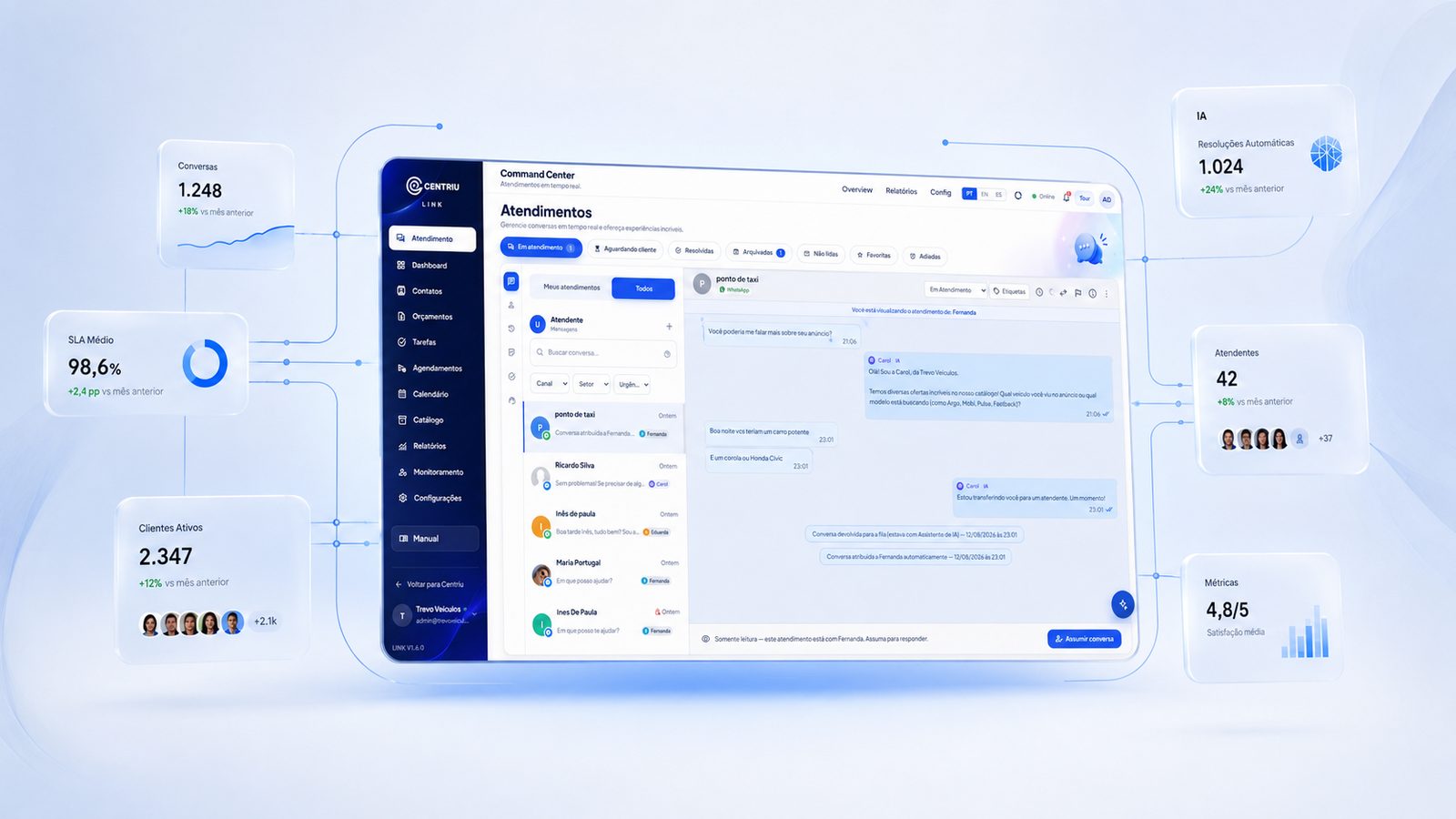
The risk score is computed from what is known. A separate confidence rating drops to reflect the gap. This includes a real "insufficient data" value. Missing information never becomes a low risk score.
Yes. The method is clear and versioned (tprm-1.0.0). Identical inputs always produce identical outputs. Every factor behind the score is returned individually with an explanation.
It has a real effect. The AI gateway's routing pipeline checks active vendor restrictions before selecting a model. It excludes blocked ones or forces human approval as part of the routing decision.
Inherent risk is the exposure from the relationship itself. Control strength is what is shown — contract, DPA, certifications, continuity testing. Residual risk is inherent minus control strength.
There are fourteen states in total. Five of them are suspended, refused, prohibited, discontinued, and expired. These are defined as states the gateway must deny.
No. It scores and enforces risk from declared and observed factors. Contract negotiation and legal review remain a human process.
It is sold by subscription with a starting price. Exact current values are on the central pricing page.
The most dangerous vendor risk assessment is the one that treats missing information as a good sign. Centriu TrustOps's vendor risk engine is clear and fully explained. The same inputs always produce the same score. Every factor is returned with the reasoning behind it. It separates the risk score from a confidence rating. Here, "insufficient data" is a real answer, not a hidden default that becomes "low risk." The result is not just a number on a dashboard. The AI gateway checks a vendor's current restrictions before routing a request. It can block specific models or require human approval based on them. A vendor marked as risky changes what the gateway allows.