
Entende o contexto
Lê a operação, o cliente e o histórico antes de propor qualquer coisa.
Vendas, marketing, atendimento, operação, financeiro e inteligência trabalhando sobre o mesmo contexto — para sua empresa ganhar escala sem perder controle.
Sua empresa inteira. Uma operação. IA trabalhando.
Para empresas de qualquer setor que querem crescer com estrutura, controle e inteligência.
Painel ilustrativo do Sistema Centriu com sete frentes trabalhando: atendimento, comercial, operação, agentes, inteligência, conteúdo e marketing. Cada frente mostra o trabalho concluído ou o próximo passo.
Representação ilustrativa do trabalho em execução
Não é falta de ferramenta. É que cada ferramenta resolve um pedaço, e ninguém é dono do todo. O custo disso não aparece numa fatura — aparece no mês seguinte.
Sistemas que não se falam
O mesmo dado é digitado de novo — e cada cópia conta uma história diferente.
Dados duplicados
Ninguém sabe qual versão é a verdadeira na hora de decidir.
Conversas perdidas
O cliente repete o contexto a cada canal e a cada pessoa.
Tarefas espalhadas
O trabalho vive em planilhas, mensagens e na memória de alguém.
Decisões sem contexto
A escolha é feita com o recorte que estava à mão, não com o que importava.
Automações desconectadas
Cada ferramenta automatiza um pedaço e ninguém enxerga o todo.
Nenhum desses problemas se resolve comprando mais um software. Eles se resolvem quando a operação inteira passa a trabalhar sobre o mesmo contexto.
A Centriu não é uma coleção de produtos. É uma plataforma em que clientes, áreas e agentes leem e escrevem no mesmo lugar.
Cliente 360
Um contexto, não vários cadastros
Cada conversa, tarefa, campanha, cobrança e decisão fica ligada ao cliente e à operação — não a um sistema isolado.
As áreas abaixo são partes da mesma operação, não produtos separados. Elas compartilham conta, permissões e histórico.
A inteligência artificial da Centriu participa da operação: entende contexto, prepara trabalho, executa rotinas e pede aprovação quando importa.
Lê a operação, o cliente e o histórico antes de propor qualquer coisa.
Redige, organiza, calcula e deixa pronto para revisão humana.
Roda o que é repetitivo dentro dos limites definidos pela empresa.
Cruza áreas, identifica prioridade e mostra o motivo da recomendação.
O que é sensível passa por uma pessoa antes de valer. Sem exceção silenciosa.
Registra o que aconteceu e usa o resultado para melhorar a próxima decisão.
Uma plataforma, várias frentes de trabalho. Tudo no mesmo contexto, com a IA participando do que dá para acelerar.
CRM, pipeline, oportunidades, propostas, follow-up e automações.
WhatsApp, Instagram, Messenger, chat do site e e-mail no mesmo contexto.
Tarefas, responsáveis, prazos, aprovações, agenda e capacidade.
Contas, cobranças, caixa, fiscal, margem, IR, orçamento e inteligência econômica.
Planejar, produzir, aprovar, publicar e medir conteúdo e campanhas.
Painéis, alertas, previsões, recomendações e leitura executiva.
Rotinas executadas continuamente pela IA com controle e aprovação.
Diagnóstico, estratégia, transformação, acompanhamento e especialistas.
A Centriu faz sentido quando o volume aumenta e a estrutura precisa acompanhar. Não é sobre setor nem tamanho: é sobre a operação conseguir sustentar o próximo estágio.
As vendas crescem, mas o processo não acompanha.
As áreas trabalham separadas e o cliente sente.
A operação depende de pessoas específicas.
O financeiro ficou complexo e o caixa perde visibilidade.
O atendimento cresce em volume e em canais.
A IA entra sem contexto, controle ou histórico.
Se a empresa ainda não começou a crescer, a Centriu também ajuda a preparar a estrutura para o primeiro salto.
Ver a Centriu funcionandoA Centriu combina tecnologia, inteligência, método e acompanhamento. A consultoria diagnostica, desenha, implanta e acompanha — com evidências, não com apresentação.
Diagnóstico e imersão na operação
Estratégia e prioridades
Roadmap de transformação
Desenho da arquitetura operacional
Implantação conduzida
Acompanhamento com evidências
Benchmarking e leitura de mercado
Especialistas, rede e inteligência coletiva
Uma conversa para entender onde a sua operação perde tempo, dinheiro ou capacidade — e o que a Centriu faria primeiro.
problema
Once a memory in Centriu Run's Memory Engine is trusted enough, it doesn't stay inside the Memory Engine's own screen — a dedicated panel, confirmed wired into three other real screens (Mind Map, the Decision Engine, and the Executive Copilot), pulls the two most relevant memories for that specific screen and shows them with phrasing written for that context ("Com base em memórias semelhantes..." inside Mind Map, "Essa decisão já funcionou em contextos semelhantes..." inside the Decision Engine) and a color — blue, amber or green — driven directly by the memory's own confidence and lifecycle stage, never chosen by hand. Every time a note actually gets shown, that exposure itself is recorded, so which memories are genuinely being surfaced, and where, is itself measurable.
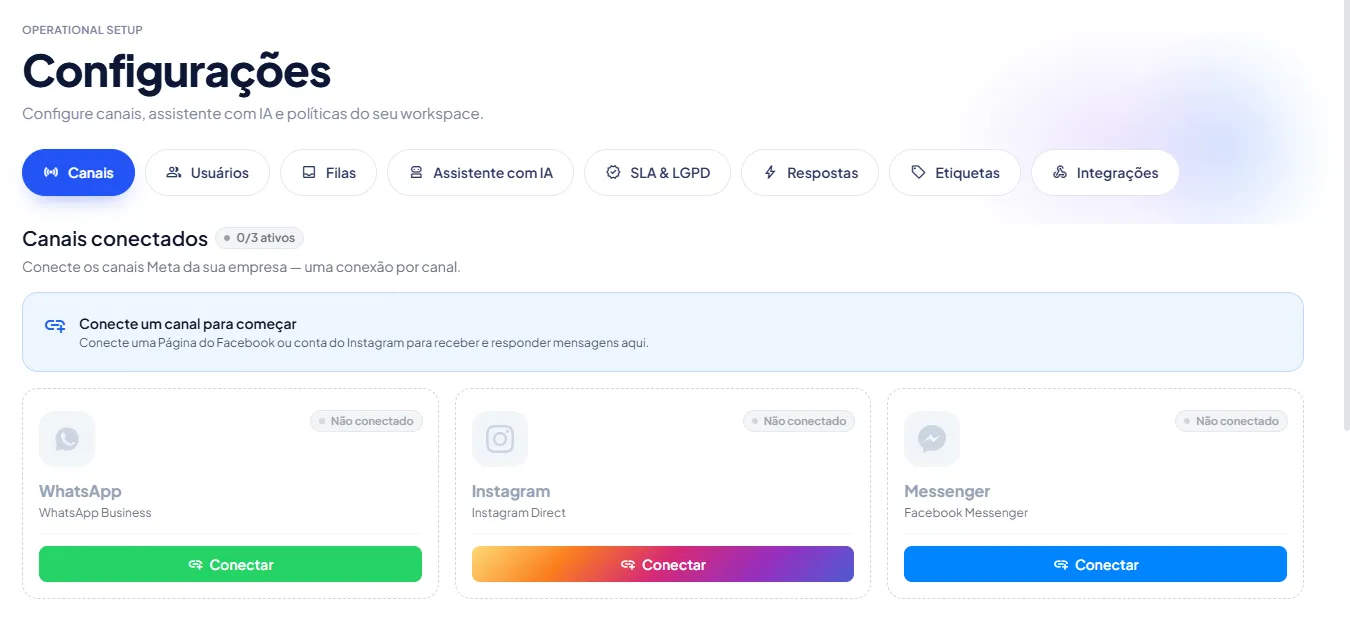
A pattern detected somewhere in the product is only useful at the moment someone is actually making the decision it's relevant to — and that moment is almost never spent looking at the analytics screen where the pattern was originally found. An insight that requires a deliberate detour to a separate dashboard competes with everything else on someone's plate and, in practice, mostly loses.
A pattern detected somewhere in the product is only useful at the moment someone is actually making the decision it's relevant to — and that moment is almost never spent looking at the analytics screen where the pattern was originally found. An insight that requires a deliberate detour to a separate dashboard competes with everything else on someone's plate and, in practice, mostly loses.
A single function pulls the current memory list, matches it against the screen currently asking — each screen is mapped to a short list of related screens it's allowed to draw from — and returns at most the top two matching memories, sorted by lifecycle stage first and confidence second. Each screen has its own fixed opening phrase for the note it renders — "Com base em memórias semelhantes..." for Mind Map, "Essa decisão já funcionou em contextos semelhantes..." for the Decision Engine, "A memória operacional reforça que..." for the Executive Copilot — so the same underlying memory reads naturally wherever it appears, without needing separate copy written for each place by hand.
The visual weight of that note is never chosen by a person either: a memory already at the "reutilizável" stage renders in green, a memory with high confidence but not yet at that top stage renders in the brand color, and everything else renders in amber — a direct, coded mapping from the memory's own computed status and confidence level, not a manual judgment call made screen by screen. And the moment a note is actually rendered on screen, that exposure is logged — which memory, which module, when — so which insights are genuinely reaching people, and how often, is itself a real, queryable number rather than an assumption.
Confirmed by reading the actual render calls rather than the type definitions alone: three screens genuinely wire this in today — the Mind Map page, the Executive Copilot, and the Decision Engine panel, which renders it twice, once in its compact "best decision now" view and once in its full decision list. The underlying code also defines "War Room" and "Strategic OS" as valid targets a memory could theoretically be matched against, but no actual render call for either currently exists in the product — so this page describes the three screens confirmed wired in, not the two that only exist as a possibility in the type definitions.
A single lookup pulls the top two most relevant memories for whichever of three real screens is asking, sorted by lifecycle stage first and confidence second.
Screen-specific opening phrasing for the same underlying memory — different wording for Mind Map, the Decision Engine, and the Executive Copilot, rather than one generic label everywhere.
Confidence- and stage-driven color coding — green for "reutilizável," brand color for high confidence below that stage, amber otherwise — applied automatically, never chosen by hand per screen.
Confirmed real render calls in three screens: the Mind Map page, the Executive Copilot, and the Decision Engine panel (rendered in two of its own views).
Every time a note is actually shown, that exposure is recorded by memory and by module — a real usage count, not an assumption that an insight panel is being read.
A screen can optionally scope its request to one specific client, narrowing which memories are eligible to resurface for that context.
A pattern the system has already earned trust in stops being something someone has to remember to go look up — it shows up inside the exact moment a related decision, plan, or question is actually happening, worded for that context. And because every appearance is logged, whether an insight is actually being seen, anywhere, becomes a real number instead of a guess about whether anyone opens the Memory Engine's own dashboard.
A pattern the system has already earned trust in stops being something someone has to remember to go look up — it shows up inside the exact moment a related decision, plan, or question is actually happening, worded for that context. And because every appearance is logged, whether an insight is actually being seen, anywhere, becomes a real number instead of a guess about whether anyone opens the Memory Engine's own dashboard.
A recurring approval-delay memory for a specific client has already reached "consolidado." The next time someone opens that client's mind map, the same memory appears with Mind Map's own phrasing, tagged in the brand color for its confidence level. Later that week, the Decision Engine is asked for its best next move for that same client, and the identical memory resurfaces there too — this time introduced as "this decision has already worked in similar contexts," colored the same way, because the underlying confidence and stage haven't changed — only the room it's being read in has.
Three, confirmed by their real render calls: the Mind Map page, the Executive Copilot, and the Decision Engine panel, in two of its own views.
Not today — it is defined as a valid target in the underlying type system, but no confirmed render call wires a note into it yet.
At most two — the lookup deliberately returns only the top matches, sorted by lifecycle stage first and confidence second.
The opening phrase is fixed per screen — different for Mind Map, the Decision Engine, and the Copilot — applied to whichever memory qualifies; it isn't generated fresh per instance.
Every time a note renders, that exposure is logged by memory and by module, producing a real usage count rather than an assumption.
It is sold by subscription with a published starting price — exact current values are on the central pricing page.
Once a memory in Centriu Run's Memory Engine is trusted enough, it doesn't stay inside the Memory Engine's own screen — a dedicated panel, confirmed wired into three other real screens (Mind Map, the Decision Engine, and the Executive Copilot), pulls the two most relevant memories for that specific screen and shows them with phrasing written for that context ("Com base em memórias semelhantes..." inside Mind Map, "Essa decisão já funcionou em contextos semelhantes..." inside the Decision Engine) and a color — blue, amber or green — driven directly by the memory's own confidence and lifecycle stage, never chosen by hand. Every time a note actually gets shown, that exposure itself is recorded, so which memories are genuinely being surfaced, and where, is itself measurable.