
Entende o contexto
Lê a operação, o cliente e o histórico antes de propor qualquer coisa.
Vendas, marketing, atendimento, operação, financeiro e inteligência trabalhando sobre o mesmo contexto — para sua empresa ganhar escala sem perder controle.
Sua empresa inteira. Uma operação. IA trabalhando.
Para empresas de qualquer setor que querem crescer com estrutura, controle e inteligência.
Painel ilustrativo do Sistema Centriu com sete frentes trabalhando: atendimento, comercial, operação, agentes, inteligência, conteúdo e marketing. Cada frente mostra o trabalho concluído ou o próximo passo.
Representação ilustrativa do trabalho em execução
Não é falta de ferramenta. É que cada ferramenta resolve um pedaço, e ninguém é dono do todo. O custo disso não aparece numa fatura — aparece no mês seguinte.
Sistemas que não se falam
O mesmo dado é digitado de novo — e cada cópia conta uma história diferente.
Dados duplicados
Ninguém sabe qual versão é a verdadeira na hora de decidir.
Conversas perdidas
O cliente repete o contexto a cada canal e a cada pessoa.
Tarefas espalhadas
O trabalho vive em planilhas, mensagens e na memória de alguém.
Decisões sem contexto
A escolha é feita com o recorte que estava à mão, não com o que importava.
Automações desconectadas
Cada ferramenta automatiza um pedaço e ninguém enxerga o todo.
Nenhum desses problemas se resolve comprando mais um software. Eles se resolvem quando a operação inteira passa a trabalhar sobre o mesmo contexto.
A Centriu não é uma coleção de produtos. É uma plataforma em que clientes, áreas e agentes leem e escrevem no mesmo lugar.
Cliente 360
Um contexto, não vários cadastros
Cada conversa, tarefa, campanha, cobrança e decisão fica ligada ao cliente e à operação — não a um sistema isolado.
As áreas abaixo são partes da mesma operação, não produtos separados. Elas compartilham conta, permissões e histórico.
A inteligência artificial da Centriu participa da operação: entende contexto, prepara trabalho, executa rotinas e pede aprovação quando importa.
Lê a operação, o cliente e o histórico antes de propor qualquer coisa.
Redige, organiza, calcula e deixa pronto para revisão humana.
Roda o que é repetitivo dentro dos limites definidos pela empresa.
Cruza áreas, identifica prioridade e mostra o motivo da recomendação.
O que é sensível passa por uma pessoa antes de valer. Sem exceção silenciosa.
Registra o que aconteceu e usa o resultado para melhorar a próxima decisão.
Uma plataforma, várias frentes de trabalho. Tudo no mesmo contexto, com a IA participando do que dá para acelerar.
CRM, pipeline, oportunidades, propostas, follow-up e automações.
WhatsApp, Instagram, Messenger, chat do site e e-mail no mesmo contexto.
Tarefas, responsáveis, prazos, aprovações, agenda e capacidade.
Contas, cobranças, caixa, fiscal, margem, IR, orçamento e inteligência econômica.
Planejar, produzir, aprovar, publicar e medir conteúdo e campanhas.
Painéis, alertas, previsões, recomendações e leitura executiva.
Rotinas executadas continuamente pela IA com controle e aprovação.
Diagnóstico, estratégia, transformação, acompanhamento e especialistas.
A Centriu faz sentido quando o volume aumenta e a estrutura precisa acompanhar. Não é sobre setor nem tamanho: é sobre a operação conseguir sustentar o próximo estágio.
As vendas crescem, mas o processo não acompanha.
As áreas trabalham separadas e o cliente sente.
A operação depende de pessoas específicas.
O financeiro ficou complexo e o caixa perde visibilidade.
O atendimento cresce em volume e em canais.
A IA entra sem contexto, controle ou histórico.
Se a empresa ainda não começou a crescer, a Centriu também ajuda a preparar a estrutura para o primeiro salto.
Ver a Centriu funcionandoA Centriu combina tecnologia, inteligência, método e acompanhamento. A consultoria diagnostica, desenha, implanta e acompanha — com evidências, não com apresentação.
Diagnóstico e imersão na operação
Estratégia e prioridades
Roadmap de transformação
Desenho da arquitetura operacional
Implantação conduzida
Acompanhamento com evidências
Benchmarking e leitura de mercado
Especialistas, rede e inteligência coletiva
Uma conversa para entender onde a sua operação perde tempo, dinheiro ou capacidade — e o que a Centriu faria primeiro.
problema
Centriu runs an internal multi-agent team chat. Each specialist agent has its own role. Each has its own specific set of tools. Asking that chat "who has access to [a given system]?" used to route to whichever agent's job title sounded closest to the topic. A real incident showed why that's unreliable. A security-focused agent was asked who had access to a marketing-strategy module. It answered that it did. This was despite holding zero tools for that module. The fix gives the routing decision a real, computed fact to work from. This is instead of a plausible-sounding title. Every agent's roster entry now carries the actual modules its available tools touch. This is derived directly from its tool list. It is not guessed from its job description. A new triage rule requires that a question about a specific system be routed only to an agent whose computed list actually contains it. This is regardless of how closely a different agent's role might sound related. The correction is proven by an executed test at migration time. This confirms the security-role agent's own computed list does not include the module in question. The agent that actually holds the relevant tool does.

A multi-agent team chat routes questions to whichever specialist sounds most relevant. This is a useful shortcut most of the time. Most questions really do belong to the agent whose role obviously covers them. The shortcut breaks down on the question type where it matters most to get right. "Who has access to this system?" is a factual question. It has one correct answer. A role description was never meant to answer it. A security specialist reasonably sounds like it might have broad access to many systems. This is by virtue of the job. But sounding relevant and actually holding the tool are two different things. Only one of them is true.
A multi-agent team chat routes questions to whichever specialist sounds most relevant. This is a useful shortcut most of the time. Most questions really do belong to the agent whose role obviously covers them. The shortcut breaks down on the question type where it matters most to get right. "Who has access to this system?" is a factual question. It has one correct answer. A role description was never meant to answer it. A security specialist reasonably sounds like it might have broad access to many systems. This is by virtue of the job. But sounding relevant and actually holding the tool are two different things. Only one of them is true.
The defect surfaced through a real conversation. It was not a test case. An owner asked the internal team chat who had access to a specific module. Triage handed the question to the security specialist agent. This agent answered that it had access. This was while holding zero tools for that module. The very next message asked that same agent to actually use the access. This forced the truth out. It had none. It passed the request along to a second agent. This agent confirmed the same thing a second time before anything could actually happen.
The fix changes what data the routing decision has available. It does not just change the prompt wording around it. A new database function computes the real list of modules for every agent in the roster. These are the modules its currently available tools touch. This is read directly from the same permission tables that decide what an agent can actually call. It is not from any manually maintained description. The computation deliberately excludes the few baseline modules every agent shares. So the resulting list only shows what actually distinguishes one agent's access from another's. That computed list is attached to each roster entry as a new field. The triage model sees this on every routing decision. It is alongside the existing title and summary it already had.
The triage prompt then adds one clear rule. This rule addresses exactly the failure that occurred. A question about a specific system should be routed only to whichever agent's computed list actually contains it. An agent without that system in its list should not be chosen to answer. This is even when its job title sounds like a reasonable fit. This is paired with a matching rule in each individual agent's own instructions. An agent may only claim it has access to a system if a tool for that system is literally present in its own tool list. It is never inferred from how closely its job description sounds related to the topic.
The fix does not rely on the prompt rule alone to hold up over time. An executed proof is embedded in the same migration. It checks the real, computed output directly. It looks up the security-role agent's own roster entry. It asserts its module list does not contain the module from the original incident. Then it looks up the agent that actually holds the relevant tool. It asserts its list does contain it. It raises an exception if either check fails. That means a future change that accidentally broke the computation, not just the prompt, would be caught the next time this migration's tests run.
A database function computes each agent's real accessible-modules list. It does this directly from its current tool permissions. It excludes the small set of baseline modules every agent shares.
That computed list is attached to every roster entry the triage decision sees. It is alongside the existing title and general summary.
A triage prompt rule requires a system-specific question to route only to an agent whose computed module list actually contains that system. A role description alone is not enough.
A matching rule is in each agent's own instructions. Claim access to a system only when a tool for it is literally present in that agent's own tool list. Never infer it from job title.
An executed proof at migration time confirms the specific real-world failure. A security-role agent wrongly appeared to have access. This cannot happen silently again. It is checked directly against the computed data. It is not just described in a prompt.
The same mechanism applies uniformly to every system in the roster. This includes Vesper, Orbit, Atlas, Run, Helix and beyond. It is not a one-off patch for the single module in the original incident.
A question about which specialist can actually act on a given system gets an answer. This answer is based on the same permission data that controls what an agent can really do. It is not based on how convincing its job title sounds. That removes a specific, already-observed failure. An agent confidently claimed access it didn't have. This is done for every system in the roster at once. It is not only for the one module involved in the incident that showed the gap.
A question about which specialist can actually act on a given system gets an answer. This answer is based on the same permission data that controls what an agent can really do. It is not based on how convincing its job title sounds. That removes a specific, already-observed failure. An agent confidently claimed access it didn't have. This is done for every system in the roster at once. It is not only for the one module involved in the incident that showed the gap.
Someone asks the internal team chat who has access to a given system. Before the fix, the answer depended on which agent's job title sounded closest to the topic. After the fix, the routing decision checks each agent's actual, computed tool-derived access list. An agent whose role sounds related but whose tool list doesn't include that system is passed over. This is in favor of the one whose list actually does.
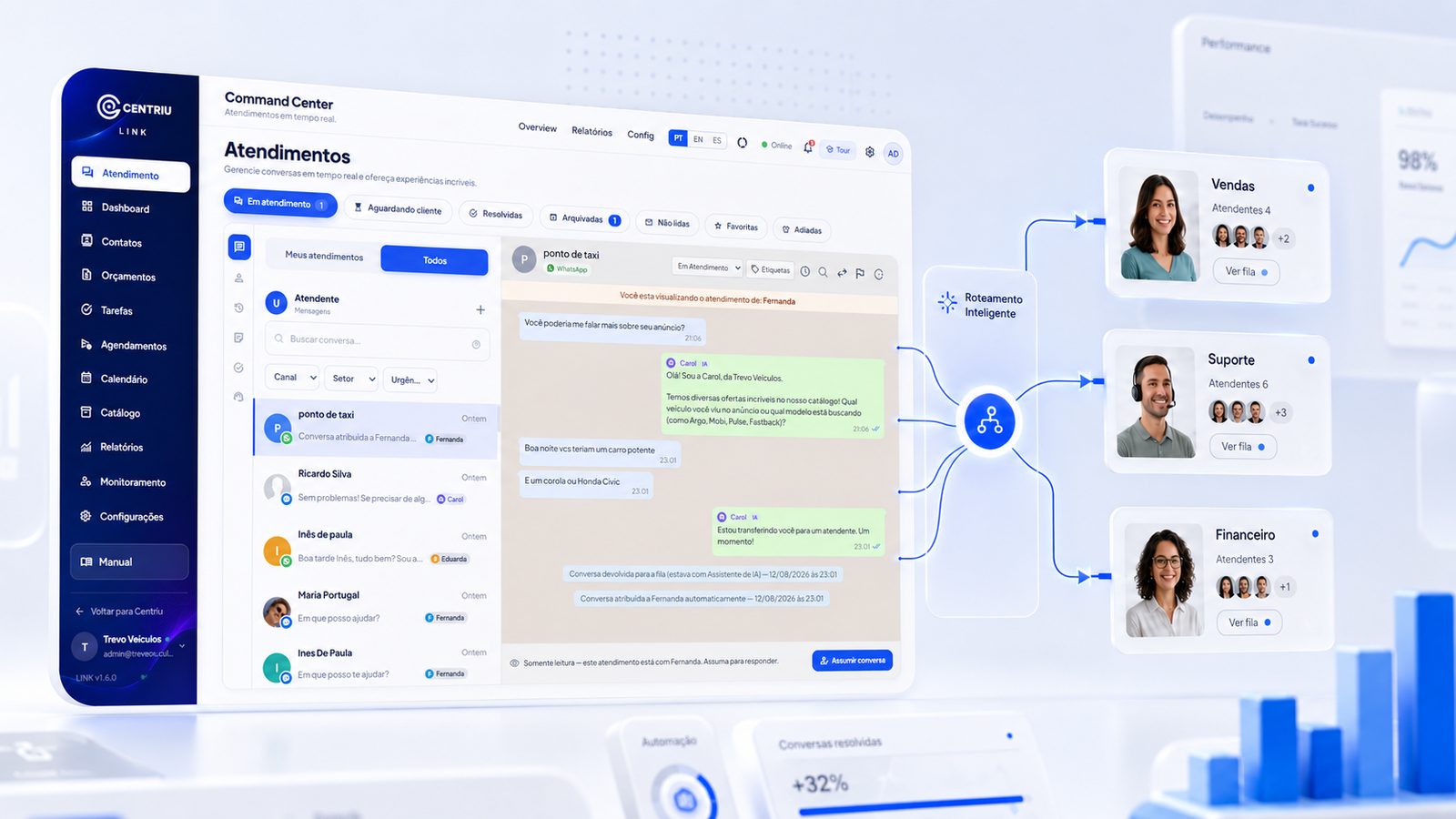
An owner asked the internal team chat who had access to a specific module. Triage routed the question to a security-specialist agent. This agent answered that it had access. This was despite holding zero tools for that module. It was discovered only when asked to actually act on it.
A database function computes each agent's accessible-modules list. It does this directly from its current tool permissions. This is the same data that controls what it can actually call. It is not from any manually written job description.
Every system in the roster. The rule requires a computed match. It is not a role guess. It is not limited to any single module.
Both. The triage prompt carries the new routing rule. An executed proof at migration time checks the real computed data directly. This is for the specific agent involved in the original incident. It raises an exception if the check fails.
No. It changes how accurately the routing decision reflects the tools an agent already has. It does not change the tools themselves.
It is sold by subscription with a published starting price. Exact current values are on the central pricing page.
Centriu runs an internal multi-agent team chat. Each specialist agent has its own role. Each has its own specific set of tools. Asking that chat "who has access to [a given system]?" used to route to whichever agent's job title sounded closest to the topic. A real incident showed why that's unreliable. A security-focused agent was asked who had access to a marketing-strategy module. It answered that it did. This was despite holding zero tools for that module. The fix gives the routing decision a real, computed fact to work from. This is instead of a plausible-sounding title. Every agent's roster entry now carries the actual modules its available tools touch. This is derived directly from its tool list. It is not guessed from its job description. A new triage rule requires that a question about a specific system be routed only to an agent whose computed list actually contains it. This is regardless of how closely a different agent's role might sound related. The correction is proven by an executed test at migration time. This confirms the security-role agent's own computed list does not include the module in question. The agent that actually holds the relevant tool does.