
Entende o contexto
Lê a operação, o cliente e o histórico antes de propor qualquer coisa.
Vendas, marketing, atendimento, operação, financeiro e inteligência trabalhando sobre o mesmo contexto — para sua empresa ganhar escala sem perder controle.
Sua empresa inteira. Uma operação. IA trabalhando.
Para empresas de qualquer setor que querem crescer com estrutura, controle e inteligência.
Painel ilustrativo do Sistema Centriu com sete frentes trabalhando: atendimento, comercial, operação, agentes, inteligência, conteúdo e marketing. Cada frente mostra o trabalho concluído ou o próximo passo.
Representação ilustrativa do trabalho em execução
Não é falta de ferramenta. É que cada ferramenta resolve um pedaço, e ninguém é dono do todo. O custo disso não aparece numa fatura — aparece no mês seguinte.
Sistemas que não se falam
O mesmo dado é digitado de novo — e cada cópia conta uma história diferente.
Dados duplicados
Ninguém sabe qual versão é a verdadeira na hora de decidir.
Conversas perdidas
O cliente repete o contexto a cada canal e a cada pessoa.
Tarefas espalhadas
O trabalho vive em planilhas, mensagens e na memória de alguém.
Decisões sem contexto
A escolha é feita com o recorte que estava à mão, não com o que importava.
Automações desconectadas
Cada ferramenta automatiza um pedaço e ninguém enxerga o todo.
Nenhum desses problemas se resolve comprando mais um software. Eles se resolvem quando a operação inteira passa a trabalhar sobre o mesmo contexto.
A Centriu não é uma coleção de produtos. É uma plataforma em que clientes, áreas e agentes leem e escrevem no mesmo lugar.
Cliente 360
Um contexto, não vários cadastros
Cada conversa, tarefa, campanha, cobrança e decisão fica ligada ao cliente e à operação — não a um sistema isolado.
As áreas abaixo são partes da mesma operação, não produtos separados. Elas compartilham conta, permissões e histórico.
A inteligência artificial da Centriu participa da operação: entende contexto, prepara trabalho, executa rotinas e pede aprovação quando importa.
Lê a operação, o cliente e o histórico antes de propor qualquer coisa.
Redige, organiza, calcula e deixa pronto para revisão humana.
Roda o que é repetitivo dentro dos limites definidos pela empresa.
Cruza áreas, identifica prioridade e mostra o motivo da recomendação.
O que é sensível passa por uma pessoa antes de valer. Sem exceção silenciosa.
Registra o que aconteceu e usa o resultado para melhorar a próxima decisão.
Uma plataforma, várias frentes de trabalho. Tudo no mesmo contexto, com a IA participando do que dá para acelerar.
CRM, pipeline, oportunidades, propostas, follow-up e automações.
WhatsApp, Instagram, Messenger, chat do site e e-mail no mesmo contexto.
Tarefas, responsáveis, prazos, aprovações, agenda e capacidade.
Contas, cobranças, caixa, fiscal, margem, IR, orçamento e inteligência econômica.
Planejar, produzir, aprovar, publicar e medir conteúdo e campanhas.
Painéis, alertas, previsões, recomendações e leitura executiva.
Rotinas executadas continuamente pela IA com controle e aprovação.
Diagnóstico, estratégia, transformação, acompanhamento e especialistas.
A Centriu faz sentido quando o volume aumenta e a estrutura precisa acompanhar. Não é sobre setor nem tamanho: é sobre a operação conseguir sustentar o próximo estágio.
As vendas crescem, mas o processo não acompanha.
As áreas trabalham separadas e o cliente sente.
A operação depende de pessoas específicas.
O financeiro ficou complexo e o caixa perde visibilidade.
O atendimento cresce em volume e em canais.
A IA entra sem contexto, controle ou histórico.
Se a empresa ainda não começou a crescer, a Centriu também ajuda a preparar a estrutura para o primeiro salto.
Ver a Centriu funcionandoA Centriu combina tecnologia, inteligência, método e acompanhamento. A consultoria diagnostica, desenha, implanta e acompanha — com evidências, não com apresentação.
Diagnóstico e imersão na operação
Estratégia e prioridades
Roadmap de transformação
Desenho da arquitetura operacional
Implantação conduzida
Acompanhamento com evidências
Benchmarking e leitura de mercado
Especialistas, rede e inteligência coletiva
Uma conversa para entender onde a sua operação perde tempo, dinheiro ou capacidade — e o que a Centriu faria primeiro.
problema
A signed proposal that still needs someone to manually update the deal is one extra step away from being trustworthy. This step gets forgotten when a team is busiest closing deals. Centriu Orbit generates a single-use, expiring signing link for a proposal that has already been sent. The signing action itself is validated server-side. It never trusts anything the browser reports on its own. It checks the token has not been used, revoked or expired. It computes a SHA-256 hash of the exact line items being signed. This way, the signed terms are frozen against later tampering. It records the signer's name, email, IP address and timestamp as forensic evidence. The moment a signature is accepted, four things happen automatically in the same operation. The proposal is marked accepted. The linked deal is marked won and moved to the pipeline's own "won" stage. A timeline event is posted on the deal. A structured, revenue-tagged audit entry is written. Nobody has to remember to update anything by hand.
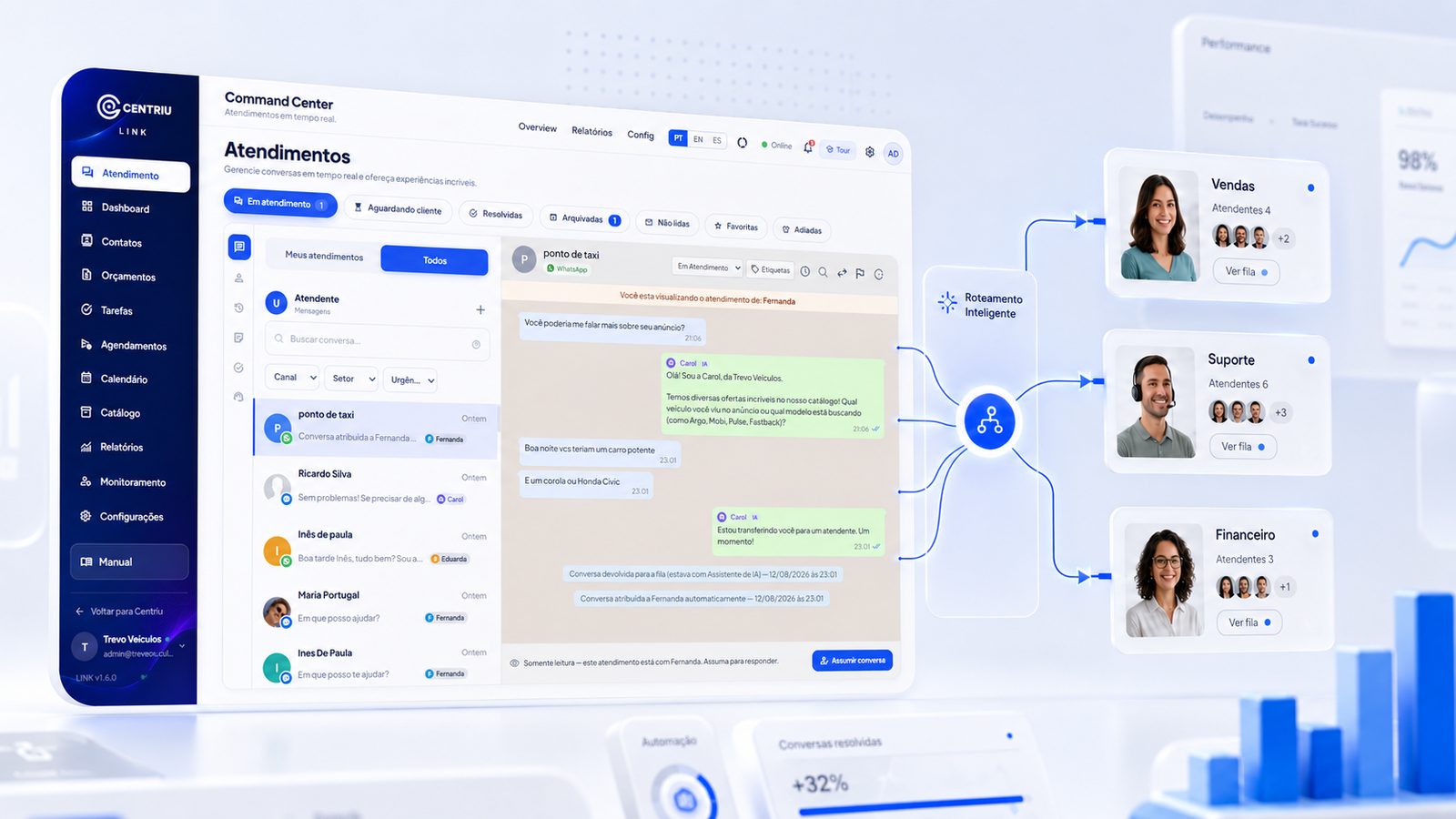
The moment a client accepts a proposal is when a sales team is least inclined to do administrative busywork. It is also the moment that matters most to get exactly right. A signature that is not tied to the specific terms shown is weaker than it looks. It can be reused or forwarded. It leaves the deal unchanged until someone remembers to update it manually. Centriu Orbit treats the signing moment as the trigger for the deal's actual state to change. It is not just a document to file away.
The moment a client accepts a proposal is when a sales team is least inclined to do administrative busywork. It is also the moment that matters most to get exactly right. A signature that is not tied to the specific terms shown is weaker than it looks. It can be reused or forwarded. It leaves the deal unchanged until someone remembers to update it manually. Centriu Orbit treats the signing moment as the trigger for the deal's actual state to change. It is not just a document to file away.
Once a proposal has already been sent to a client, a team member generates a signing link. This link is a cryptographically random, 256-bit token. It defaults to a 7-day expiry, but it can be changed or set to none. This link is tied to that specific proposal. Generating a new link automatically revokes any previously active one for the same proposal. Only one valid signing link exists at a time.
When the client signs, the request is validated entirely server-side. The token must currently be active. A reused token returns a specific "already signed" reason, not a generic error. An expired one is marked expired and rejected. The signer's name and email are format-checked. The exact line items on the proposal at that moment are hashed with SHA-256. They are frozen into the signature's own evidence record. This includes the subtotal, discount, total and currency as they stood at the moment of signing. The signer's IP address, user agent, timestamp, and a drawn signature image are recorded alongside it. The public signing endpoint itself is rate-limited by IP. This is an additional layer against abuse of the public, unauthenticated signing surface.
A successful signature triggers four changes in the same operation. The proposal's own status becomes "accepted." It records who accepted it and when. The linked deal is marked "won" and moved to whichever pipeline stage is named "won." A system-authored note is posted to the deal's timeline. It records exactly what happened. A structured audit-log entry, categorized as "revenue," is written for later reporting. None of this requires a person to notice the signature happened and manually update anything.
A single-use, expiring signing token (256-bit random, default 7-day expiry, configurable or disabled) generated only for a proposal already sent or approved.
Automatic revocation of any prior active signing link the instant a new one is generated for the same proposal. Never two simultaneously valid links.
Server-side rejection of a reused, expired or invalid token with the SPECIFIC reason returned. This includes already signed vs. expired vs. invalid, not a generic failure.
A SHA-256 hash of the exact proposal line items computed and frozen at the moment of signing. This includes the subtotal, discount, total and currency at that instant.
Forensic evidence captured with every signature. This includes signer name and email (server-validated), IP address, user agent, timestamp, and a drawn signature image if one was provided.
Rate limiting by IP on the public, unauthenticated signing endpoint.
Automatic, same-operation deal closing. The proposal is marked accepted. The linked deal is marked won and moved to the pipeline's own "won" stage if named. A timeline event is posted. A revenue-tagged audit entry is written.
Role-tiered permissions. An admin can send, view and revoke signature requests. A manager can send and view. A sales-role team member can send.
The moment a client signs is also the moment the deal record becomes accurate. This is not some point afterward when a person happens to notice and update it. Every signature carries a frozen, hashed record of the exact terms agreed to. It also includes IP/timestamp/user-agent evidence. This is better than a loose association between "a document" and "a deal." Because closing is automatic and audit-logged, reporting on signed revenue no longer requires manually cross-referencing documents against the pipeline.
The moment a client signs is also the moment the deal record becomes accurate. This is not some point afterward when a person happens to notice and update it. Every signature carries a frozen, hashed record of the exact terms agreed to. It also includes IP/timestamp/user-agent evidence. This is better than a loose association between "a document" and "a deal." Because closing is automatic and audit-logged, reporting on signed revenue no longer requires manually cross-referencing documents against the pipeline.
A salesperson sends a proposal and generates a signing link with the default 7-day expiry. The client opens the link, reviews the terms, and signs two hours later from their phone. The signing request is validated. The token is active and unexpired. The name and email pass format checks. The exact line items on the proposal at that moment are hashed and frozen into the record. This includes the client's IP, browser user agent, and the timestamp.
In the same operation, the proposal flips to "accepted." The linked deal is automatically moved to the pipeline's "Won" stage. A timeline note appears on the deal. It reads exactly who signed and when. A revenue-tagged audit entry is written. The salesperson, who was in an unrelated meeting when the signature happened, opens Orbit afterward. They find the deal already reflects the win. Nothing was left for them to update by hand.
No. A token that has already signed a proposal is rejected with a specific "already signed" reason if reused.
The prior active link is automatically revoked. Only one valid signing link exists for a proposal at a time.
A SHA-256 hash of the exact line items signed. This includes the subtotal/discount/total/currency at that moment. It also includes the signer's name and email, IP address, user agent, timestamp, and a drawn signature image if one was provided.
Yes. In the same operation as the signature, the linked deal is marked won and moved to the pipeline's own "won" stage if one is named. A timeline event and an audit entry are created.
It is Orbit's own signature and evidence-capture mechanism. A team with a specific regulatory or certified-signature requirement should confirm it meets that requirement before relying on it for that purpose.
It is sold with tiered plans (Starter/Pro/Max) starting at a published entry price. Exact current values are on the central pricing page.
A signed proposal that still needs someone to manually update the deal is one extra step away from being trustworthy. This step gets forgotten when a team is busiest closing deals. Centriu Orbit generates a single-use, expiring signing link for a proposal that has already been sent. The signing action itself is validated server-side. It never trusts anything the browser reports on its own. It checks the token has not been used, revoked or expired. It computes a SHA-256 hash of the exact line items being signed. This way, the signed terms are frozen against later tampering. It records the signer's name, email, IP address and timestamp as forensic evidence. The moment a signature is accepted, four things happen automatically in the same operation. The proposal is marked accepted. The linked deal is marked won and moved to the pipeline's own "won" stage. A timeline event is posted on the deal. A structured, revenue-tagged audit entry is written. Nobody has to remember to update anything by hand.