
Audit Service Mock-Data Automation: Seventeen Compliance Panels, One Shared Snapshot
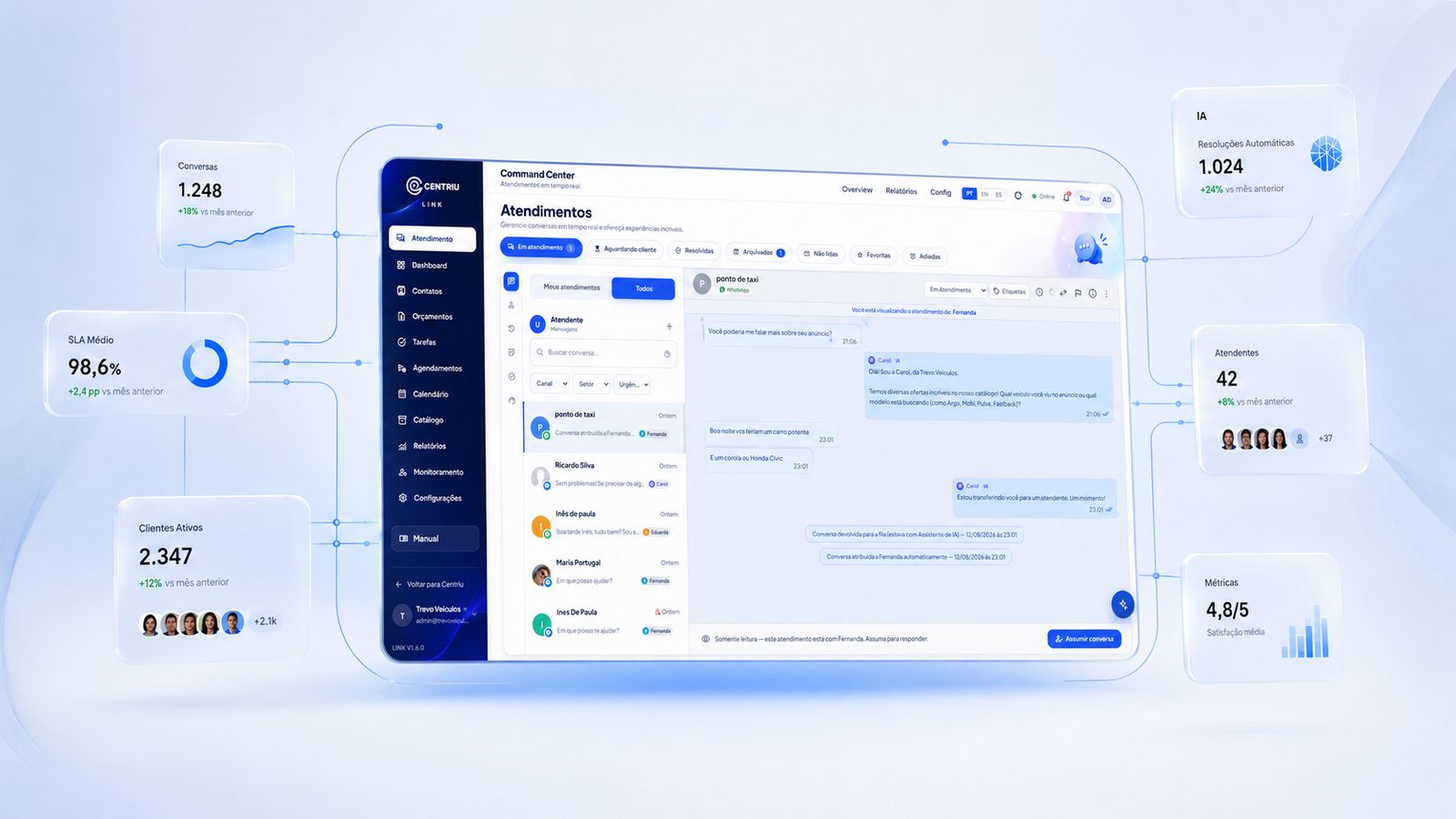
A compliance panel with no way to say which kind of evidence it is showing
An audit or compliance panel exists specifically to answer a real question about a real system's actual current state — which is exactly why a panel of this kind reading from a static, unchanging mock fixture is a more serious category of gap than an ordinary feature showing placeholder data: the entire PURPOSE of the panel is undermined the moment its answer stops tracking the real thing it claims to describe. The deeper problem is not merely that the data was mock — building a feature ahead of its real data source is often reasonable — but that nothing in the panel's own presentation distinguished a genuine, current finding from a fixture written once and never updated, leaving a reviewer with no way to tell, from the screen itself, which kind of evidence they were actually looking at.
How the underlying problem shows up before you fix it
A service responsible for answering a compliance, audit, or governance question reads from a single, static, in-repo data source unconditionally — with no code path anywhere attempting a real, live query against the system the panel claims to describe.
The SAME structural pattern (a service built entirely around a mock seeder, never revisited once the real underlying feature existed) recurs across many independently-built services covering different specific compliance concerns — meaning the gap is systemic to how this class of feature was originally built, not a one-off oversight in a single file.
A panel or dashboard presents its own output with no visible indication of WHICH kind of evidence produced it — a genuine, current, live finding and a static, unchanging fixture render identically, with nothing on screen prompting the person reading it to question which one they are looking at.
A defect of this shape is functionally invisible during ordinary use of the panel itself — the numbers displayed always look plausible and well-formed, since they come from a deliberately realistic mock fixture; only a direct read of the underlying service's own source code, or a deliberate comparison against the system's genuine real state, reveals the gap.
A fix introducing a real data source alongside an existing mock one needs an explicit, coded RULE for exactly when each is used — without one, the two can silently disagree about which is authoritative, or the mock can continue answering even after a real source becomes available, for reasons unrelated to whether the real source is genuinely working.
Why a compliance panel is especially easy to leave on mock data by accident
Building a compliance or audit panel against a static mock fixture, ahead of the real database query that will eventually back it, is a completely normal way to make interface progress in parallel with backend work still underway. The specific risk with THIS class of feature is that a mock fixture, written carefully to look realistic, can remain indistinguishable from a genuine finding for an extended period — an ordinary feature showing an obviously placeholder value (a literal zero, an empty state) tends to prompt someone to ask "is this real yet?" the first time they look, while a well-crafted mock array populated with plausible-looking rows does not naturally prompt that same question, precisely because it was built to look convincing.
How Centriu Helix made seventeen compliance panels tell the truth about their own evidence
A direct review of Centriu Helix's own internal audit and compliance tooling found that 17 separate service files — the layer directly behind panels covering row-level security coverage, LGPD compliance checklist items, soft-delete tracking, integration checks, permission auditing, payload redaction, and several more distinct compliance concerns — read exclusively from a static, in-repo mock data seeder, with no real database query attempted anywhere in any of the 17.
The fix restructures all 17 services around the identical shared pattern. Each service first attempts a real, narrowly-scoped database query specific to what it is actually meant to measure — the row-level security service, for instance, now queries Postgres's own `pg_policies` system catalog directly, reading which tables genuinely have policies defined and how many, rather than relying on any second-hand description of that state. If that real query succeeds and returns at least one row, its result is used, correctly merged against the mock fixture's own richer descriptive fields (where a table's real policy count is known but its qualitative description is not yet independently tracked, the mock's own descriptive text remains, updated only with the real, live count). If the real query genuinely fails outright, or succeeds but returns zero rows, the service falls back to the original mock fixture exactly as before — preserving the panel's ability to show SOMETHING meaningful rather than an empty screen, but only as a deliberate, tracked fallback rather than the only path that ever existed.
Critically, every one of the 17 services now tracks, for every single response it produces, which of the two sources actually answered — a value the panel itself can read and display as a visible badge, so a reviewer looking at any of these 17 compliance surfaces can always tell, directly from the screen, whether they are looking at a genuine, live finding or a fallback snapshot, rather than having to assume either one.
What is actually built today
All 17 of Centriu Helix's audit and compliance services attempt a real, targeted database query first, falling back to the original mock seeder only when that real query genuinely fails or returns zero rows.
The row-level security audit service specifically queries Postgres's own `pg_policies` system catalog directly for real policy counts and table coverage, rather than relying on any hand-maintained description of that state.
Every one of the 17 services tracks which data source actually answered a given request — real or mock — exposed to the panel itself as a visible, readable value.
Compliance panels built on these 17 services can now display a visible data-source badge, letting a reviewer distinguish a genuine, live finding from a fallback mock snapshot directly on screen, without needing to check the underlying code.
The real-query and mock-fallback logic is shared across all 17 services following one common pattern, rather than each service independently deciding its own rule for when to trust which source.
The same panel, now honest about its own evidence (illustrative framing of the actual confirmed mechanism)
Before the fix, opening any of Helix's 17 affected compliance panels showed a plausible, well-formed set of findings with nothing on screen indicating whether they reflected the real, current system or a static fixture written once during development — both looked identical. After the fix, the identical panel shows the same kind of finding, now genuinely computed from a real, live database query wherever one succeeds, with a visible badge naming which source actually answered, and a documented, deliberate fallback only for the case where the real query cannot yet answer at all.
What changes operationally
17 of Centriu Helix's own internal audit and compliance services now attempt a real database query before ever falling back to their original static mock seeder, with every response tagged by which source actually answered it and a visible badge exposing that distinction directly on the compliance panels those services feed — closing a gap where a reviewer had no way to tell genuine, live findings from an unchanging development fixture.
When this is not the right fit
This automation covers specifically Centriu Helix's own internal, engineering-facing compliance and audit tooling — not a customer-facing analytics or reporting feature. It is a distinct mechanism from this pillar's companion page on the same broader change's VIEW-layer finding (86 screens hardcoded to a null organization id), and from wave 82's CI-gate self-disabling finding and wave 85's audit-scan-measuring-its-own-instrument finding — three genuinely separate mechanisms found in different Helix audits at different layers.
A single mock source vs. a real query with a tracked, visible fallback
Reading exclusively from a static mock fixture is the simplest possible implementation for a compliance panel built ahead of its real data source, and it produces a completely plausible-looking result with no engineering effort spent on the harder problem of an actual live query. The cost is that nothing distinguishes that plausible result from a genuine one, for as long as the mock remains the only source — precisely the wrong property for a feature whose entire purpose is answering a real compliance question truthfully. Attempting a real query first, falling back to the mock only on a genuine failure, and exposing which source answered as a visible, checkable fact is the only version of the two that lets a panel's own evidence be trusted at a glance, rather than assumed.
Related systems
Main system: Centriu Helix.
What it does NOT do
- Does not claim all 17 services' underlying compliance questions are now fully, comprehensively answered by real data in every case — some genuinely still fall back to the mock seeder when their specific real query cannot yet answer (fails outright or returns zero rows), and the visible badge exists specifically so that distinction is never hidden.
- Does not overlap with this pillar's companion page on the same broader change's VIEW-layer finding (86 screens hardcoded to a null organization id) — that is an independently distinct mechanism, at a different layer of the same feature areas, described on its own dedicated page.
- Does not change the underlying compliance RULES any of the 17 services evaluate — the fix corrects only where each service's evidence comes from, not what standard that evidence is judged against.
- Does not remove or replace the original mock seeder — it remains in place, now used deliberately and visibly as a fallback rather than as the only data source that ever existed.
- Does not extend this same real-query/mock-fallback pattern to any Centriu system besides Helix — this fix is specific to the 17 Helix audit and compliance services directly confirmed to have this exact structure.
Security and governance
Centriu Helix's own internal audit and compliance services now attempt a real, targeted database query before falling back to a static mock seeder, with every response tagged by its actual source and exposed as a visible badge on the compliance panels these services feed. Client data referenced by this fix remains subject to Brazil's LGPD (Law No. 13,709/2018). Full detail on this module's audit and compliance practices lives at /governanca and /iso.
Pricing and contracting
Available by monthly subscription, with tiered plans. Values and terms come from the official pricing table at /precos (Centriu's central source — never restated here).
Frequently asked questions
Were these 17 compliance panels customer-facing?
No — this is Helix's own internal, engineering-facing audit and compliance tooling, used to track the module's own governance posture (RLS coverage, LGPD checklist items, soft-delete tracking, and more), not a feature shown to Helix's own clients.
How is the fallback to mock data actually triggered now?
Only when the real, targeted database query for that specific service genuinely fails outright, or succeeds but returns zero matching rows — never as a default, and always tracked and exposed as a visible source badge rather than left silent.
How does the row-level security panel specifically get its real data?
By querying Postgres's own `pg_policies` system catalog directly for the tables and policy counts that genuinely exist, rather than relying on any hand-maintained, second-hand description of that state that could drift from the real database.
Is this the same finding as the hardcoded organization ID page on this site?
No — that page describes a VIEW-layer defect (86 screens unable to resolve which organization to show); this page describes a SERVICE-layer defect (audit services reading mock data instead of attempting a real query). Both come from the same broader change but are independent mechanisms.
What happened to the original mock data — was it deleted?
No — it remains in the code as a deliberate, visible fallback for the specific case where a real query cannot yet answer, rather than being removed or continuing to serve as the only data source.
What does Centriu Helix cost?
It is sold by subscription with a published starting price — exact current values are on the central pricing page.
See how Centriu Helix keeps its own compliance panels honest about their evidence
Reach our commercial team directly, or leave your details below — we'll follow up with guidance for your case.