
Real KPIs Stamped Simulated Automation: A True Number Next to an Invented Chart
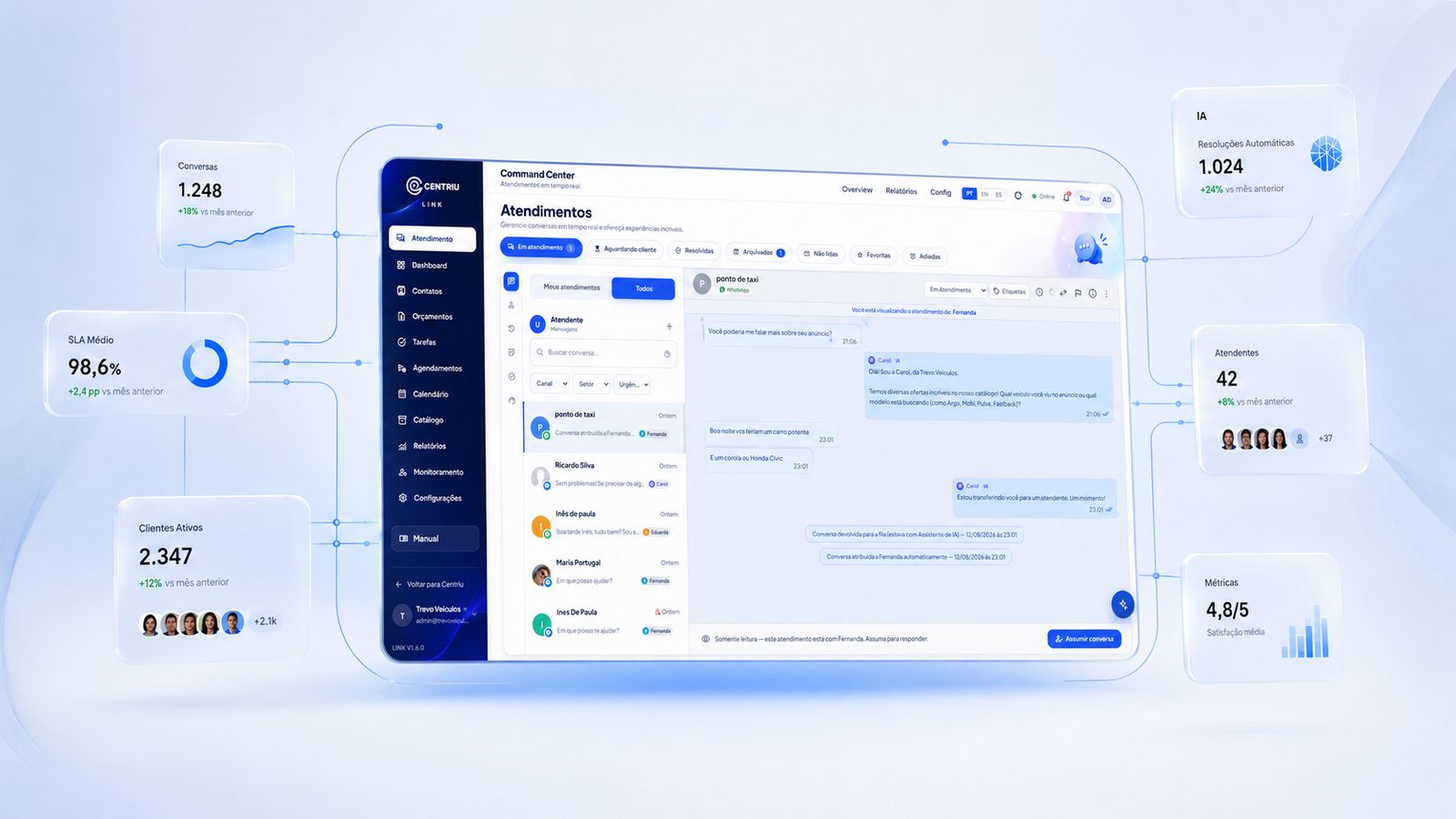
A component's own default value can outlive the placeholder state it was built to describe
Marking a piece of interface as "simulated" or "preview" by DEFAULT, before its real data source is wired in, is a completely reasonable way to build a screen ahead of the data it will eventually display — the label is accurate for as long as the underlying content genuinely is a placeholder. The risk is specifically that a default value, once set, requires an explicit, deliberate action to remove — and if the moment real data replaces the placeholder is not also the moment someone updates that specific label, the label simply continues describing a state that stopped being true, silently, with nothing about the screen's own outward appearance signaling that a genuine update happened underneath an unchanged, now-incorrect label.
How the underlying problem shows up before you fix it
An interface component ships with a DEFAULT value describing its own content's status (simulated, preview, placeholder) — accurate at the moment the component was first built, and never explicitly revisited or overridden once the underlying data source it displays becomes genuinely real.
A visual trend indicator (a small chart, a sparkline) is generated by a deterministic function seeded from a piece of the metric's own text (its label or name) rather than drawn from any real historical data points — producing a plausible-looking, consistent chart that happens to bear no actual relationship to the number it sits beside.
A genuinely correct, real number and a label or visual element describing that same content as fake or simulated appear directly next to each other on screen, with nothing about either one's presentation making the contradiction between them obvious to whoever is looking.
A database column referenced by a piece of interface that appears globally (a shared layout element, present on every page) does not exist — producing the identical error on every single page of the product simultaneously, rather than isolated to one specific screen.
A screen or detail view responds successfully (a working URL, a normal server response) but has no actual path to it anywhere in the product's own navigation or interface — technically reachable, practically undiscoverable, indistinguishable in effect from a screen that does not exist at all.
Why a default label is easy to leave behind once the real thing arrives
Building a metric card with a default "simulated" state ahead of its real data source lets interface work proceed in parallel with the underlying data pipeline still being built — genuinely useful for moving a product forward on multiple fronts simultaneously. The specific risk is that connecting the real data source and updating the label describing that data's status are two separate steps, and only one of them is strictly necessary to make the screen visibly LOOK finished: once real numbers start rendering correctly, a screen appears complete and functional at a glance, with nothing about that appearance revealing that a second, quieter step — clearing the now-incorrect default label — was never actually completed.
How Centriu Helix caught a true number wearing a false label
Centriu Helix's Overview screen and its per-client Organism screen — the first two screens essentially any client encounters — displayed key performance numbers that were, on direct verification, genuinely real and correctly computed. Each of those real numbers appeared directly beside a small "simulated" label, and beside a compact trend sparkline. Both were traced to the identical root cause: the interface component responsible for rendering each metric card had a DEFAULT setting marking its content as simulated — a setting that had been accurate when the component was first built, ahead of its real data source, and had simply never been explicitly cleared once genuinely real numbers began flowing into it. The sparkline compounded the same underlying gap: rather than being wired to any real historical data, it was generated by a pseudo-random function seeded from the metric's own label text — meaning the identical metric name always produced the identical-looking fake trend shape, entirely independent of the real number displayed beside it.
The fix makes the "simulated" label something a card must genuinely, deliberately claim, rather than something it silently inherits from an unreviewed default — appearing only where content is actually, currently a placeholder, and correctly absent the moment real data is wired in. The fabricated sparkline is replaced with either the metric's genuine historical trend or, where no real historical series yet exists, an honest absence of a trend chart rather than an invented substitute.
Three further, entirely independent defects were found and fixed in the same broader production audit, each traceable to the identical underlying condition that let all of this ship unnoticed: this module had never had any automated CI coverage. First: a feedback button living inside the product's own shared page layout — present on literally every screen — referenced a database column that does not exist, producing a database error on every single page load across the entire product; the real, correct pair of columns already existed under different names. Second: a client-specific detail screen, along with all seven of its own sub-tabs, responded successfully to a direct request — a fully working destination — but had no actual link, button, or navigable path leading to it anywhere in the product's real interface, making a functioning screen entirely unreachable in practice. Third: one specific client's own organization name had been stored in the database as visibly corrupted, garbled text — the kind of corruption that results from a text-encoding mismatch — and that corrupted text had been silently appearing both on that client's own screen AND inside the text sent to the AI model when generating that client's reports. The specific record was corrected directly in the database, and the underlying schema now actively rejects any incoming text containing the specific character that signals this exact class of encoding corruption, preventing the identical defect from silently recurring for any future record.
What is actually built today
Centriu Helix's Overview and per-client Organism screens display real key performance numbers with the "simulated" label appearing only where content is genuinely, deliberately still a placeholder — never as an unreviewed component default.
Trend sparklines are drawn from genuine historical data where it exists, or honestly omitted where it does not — never generated by a pseudo-random function standing in for real historical figures.
The product's shared page layout no longer references a nonexistent database column, closing a defect that had produced a database error on every single page in the entire product.
A previously unreachable client-specific detail screen and its seven sub-tabs now have a real, working navigable path from the interface, rather than existing only as a technically-functioning but practically undiscoverable destination.
The database schema now actively rejects incoming text containing the specific character signaling text-encoding corruption, closing a defect where one client's own corrupted name had silently reached both their screen and their AI-generated report's own underlying prompt.
A real number that finally stopped calling itself fake (illustrative framing of the actual confirmed mechanism)
Before the fix, opening Helix's Overview screen showed a genuinely real, correctly computed key metric directly beside a "simulated" label and a trend chart generated from the metric's own label text rather than any real history — a true number, visually undermined by two false claims sitting beside it. After the fix, the identical real number appears with no simulated label and either its genuine historical trend or an honest absence of one, with nothing on screen implying the real figure beside it is anything other than what it actually is.
What changes operationally
Centriu Helix's first two client-facing screens now display genuinely real key performance numbers without an incorrect "simulated" label or a fabricated trend chart, closing a gap where a component's own unreviewed default had silently persisted past the point its underlying data became real — alongside three related fixes closing a product-wide page crash, an unreachable working screen, and a text-corruption defect that had reached both a client's own screen and their AI-generated report.
When this is not the right fit
This automation covers specifically how Centriu Helix labels and visualizes REAL key performance data that was being incorrectly marked as simulated — it does not cover screens that are genuinely, deliberately still placeholders, which correctly continue to show the simulated label. It is also distinct from this pillar's companion pages on the same production audit's complete AI outage finding and cross-tenant portfolio-mixing finding, both independently real, separately caused mechanisms found during the same broader investigation.
A component's inherited default vs. a status a card must actually claim
Letting a metric card inherit a "simulated" default from its own component definition is less code to write initially, and correct for exactly as long as nobody forgets to override it once real data arrives. Requiring each card to actively, explicitly declare its own current status — real or placeholder — costs a small amount of additional deliberate wiring, and is the only version of the two that cannot silently drift out of sync with the data actually being displayed, since there is no unreviewed default left for it to quietly fall back to.
Related systems
Main system: Centriu Helix.
What it does NOT do
- Does not remove the "simulated" label from screens that are genuinely, deliberately still showing placeholder content — that label continues to appear correctly wherever content actually is a placeholder.
- Does not change how any individual key performance metric is calculated — this fix corrects only how a metric's current status (real vs. simulated) is labeled, and how its trend is visualized.
- Does not overlap with this pillar's separate companion pages on the same production audit's complete AI outage finding or cross-tenant portfolio-mixing finding — those are independently distinct mechanisms found during the same broader investigation.
- Does not claim every text-encoding corruption issue across the entire product is now prevented — the fix specifically hardens the schema against the one character signaling this exact class of corruption in the fields where it was found.
- Does not retroactively identify every other screen anywhere in the product that might share the identical unreviewed-default pattern — this fix addresses the two specific screens found and confirmed during this audit.
Security and governance
Centriu Helix's client-facing key performance screens now display real data without an incorrect simulated label or a fabricated trend chart, with the database schema hardened against a specific class of text-encoding corruption after one client's own corrupted name was found reaching both their screen and their AI-generated report's prompt. Client data referenced by this fix remains subject to Brazil's LGPD (Law No. 13,709/2018). Full detail on data integrity and audit trails lives at /governanca and /iso.
Pricing and contracting
Available by monthly subscription, with tiered plans. Values and terms come from the official pricing table at /precos (Centriu's central source — never restated here).
Frequently asked questions
Were the key performance numbers themselves ever actually fake?
No — the numbers were genuinely real and correctly computed throughout. The defect was entirely in the labeling (an unreviewed "simulated" default) and the trend visualization (a fabricated sparkline), not in the underlying figures themselves.
Why did the trend sparkline look consistent for a given metric even though it was fake?
Because it was generated by a pseudo-random function seeded from the metric's own label text — the identical label always produced the identical-looking fake shape, which is precisely what made the fabrication easy to miss without a direct check against real historical data.
What was the database column defect that broke every page?
A feedback button living in the product's own shared page layout — present on every screen — referenced a database column that did not exist under that name; the real, correct columns existed with different names entirely.
How was a "fully working" screen also completely unreachable?
The screen and its seven sub-tabs responded successfully to a direct request (a working URL, a normal server response), but nothing in the product's actual navigation — no link, button, or menu entry — led anyone to it, making a technically functioning destination practically undiscoverable.
What was the text-corruption issue, and how is it prevented going forward?
One client's organization name had been stored as visibly garbled text from an encoding mismatch, reaching both their own screen and the AI's report-generation prompt. The specific record was corrected, and the database schema now actively rejects any incoming text containing the specific character that signals this exact class of corruption.
What does Centriu Helix cost?
It is sold by subscription with a published starting price — exact current values are on the central pricing page.
See how Centriu Helix makes sure a real number never calls itself fake
Reach our commercial team directly, or leave your details below — we'll follow up with guidance for your case.